If you’ve just realized your phone is gone, don’t panic. Millions of people lose their phones every year - and most get them back, or at least stop the damage. The key isn’t luck. It’s acting fast and knowing exactly what to do in the next 10 minutes. Your phone holds your identity, your money, your photos, and your access to everything. If you wait too long, someone else might be using it to drain your bank account or log into your email. Here’s how to handle it right.
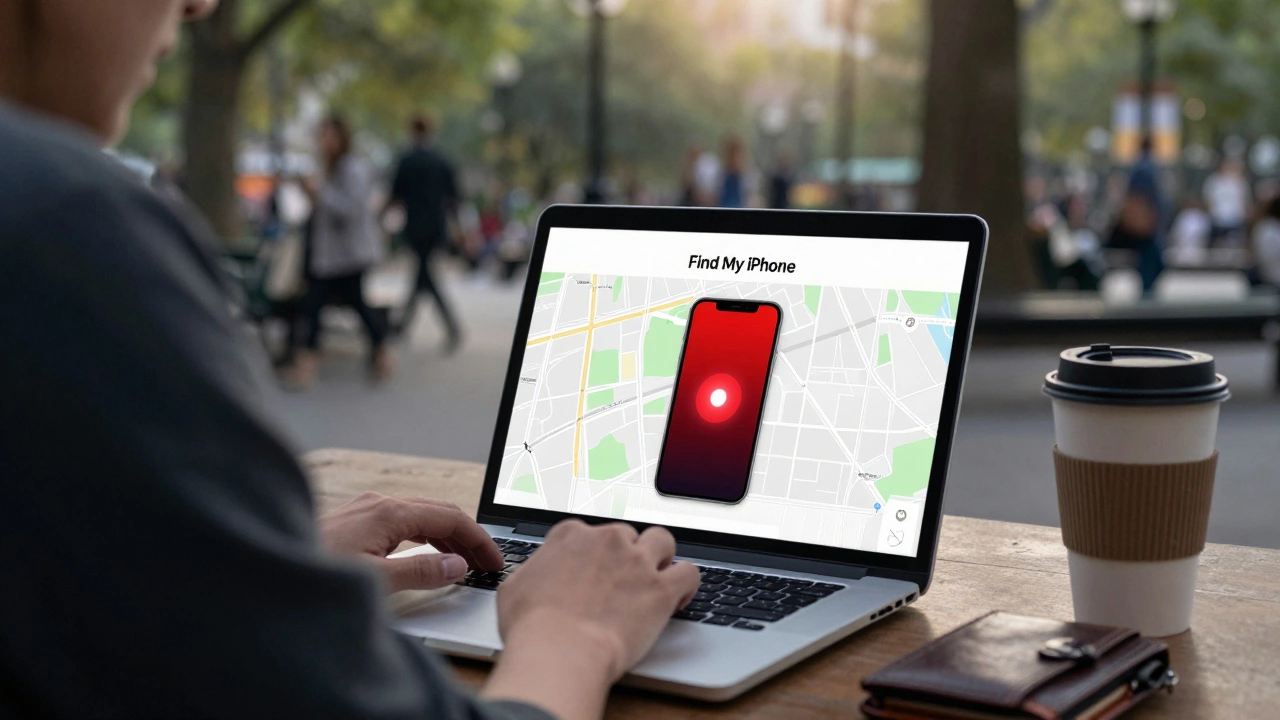
First, try calling your own number. Maybe it’s just under the couch or in the back of your bag. If no one answers, don’t hang up. Let it ring. Sometimes, the sound leads you right to it. If you’re sure it’s gone, use your computer or another device to log into Find My (for iPhones) or Find My Device (for Android). These tools let you see your phone’s last known location on a map, play a loud sound, or lock it remotely. If you’re in a hurry, you can even erase all data to protect your info - but only do this if you’re certain you won’t find it. Once you erase it, you can’t track it anymore.
Some people think they need to hire a private investigator or pay for a high-end recovery service. That’s rarely necessary. Most lost phones are found by strangers who pick them up and try to return them. But if your phone was stolen in a crowded place like a train station or nightclub, you might want to check local lost-and-found posts. In some cities, people leave notes on social media like ‘Found a black iPhone near the metro’ - and those posts often work. Don’t forget to check with local businesses too. A cafe worker might have picked it up and tucked it behind the counter. One woman in Birmingham found her phone after her neighbor saw it on a park bench and posted a photo on Nextdoor. It took two hours.
If you’re traveling and lost your phone abroad, things get trickier. You can’t just walk into a store and buy a replacement SIM unless you have your ID and passport. Many travelers forget to back up their contacts or save emergency numbers offline. That’s a mistake. Always write down at least two important phone numbers - your bank’s fraud line, your insurance provider, and a trusted contact - on a piece of paper and keep it in your wallet. And if you’re in a place like Dubai, where lost items sometimes end up in unexpected hands, you might hear about services like dubai escort service being mentioned in odd contexts. That’s not relevant to phone recovery, but it shows how strange things can get when you’re far from home. Stay focused on your phone, not distractions.
Next, call your mobile provider. Tell them your phone is lost or stolen. They’ll block your SIM card so no one can make calls or use data on your account. This stops bill shock and prevents someone from pretending to be you. Most carriers will also give you a temporary number so you can still receive texts or calls while waiting for a replacement. You’ll pay a small fee, usually under £10, but it’s worth it. Don’t wait to do this. The longer you wait, the more likely someone is to use your number to reset passwords for your bank, social media, or email.
Now, change your passwords. Start with your email. That’s the master key to everything else. Then hit your banking apps, PayPal, Amazon, and any cloud storage like Google Drive or iCloud. Use a strong, unique password for each one. If you use the same password everywhere, you’re just giving hackers a free pass. If you’ve got two-factor authentication turned on, good - but make sure you still have access to your backup codes. If you lost your phone and your authenticator app was on it, you’ll need to use backup codes or recovery emails. If you didn’t save them, you’re in trouble. That’s why writing down your recovery codes on paper is one of the smartest things you can do.
Check your bank and credit card apps. Look for any strange transactions. If you see something you didn’t make, report it immediately. Most banks will refund you if you act within 24 hours. Don’t wait until tomorrow. Also, freeze your credit if you’re worried about identity theft. In the UK, you can do this for free through Experian, Equifax, or TransUnion. It takes five minutes online and stops anyone from opening new accounts in your name.
Finally, report the loss to the police. Even if you think they won’t care, having a crime reference number helps with insurance claims and can help track down stolen devices. If your phone was insured, file a claim right away. Most policies cover loss, not just theft - but you’ll need that police report. Keep the reference number. You’ll need it later.
What about apps like Find My iPhone or Google’s Find My Device? They’re powerful, but only if you set them up before you lost the phone. If you didn’t turn them on, you’re out of luck. That’s why you should check your settings now - even if your phone isn’t lost yet. On an iPhone, go to Settings > Apple ID > Find My > Find My iPhone and make sure it’s toggled on. On Android, open Google Settings > Security > Find My Device and do the same. Turn on remote lock and erase. You can also set up a lock screen message with your phone number so a good Samaritan can return it. Something simple like ‘Found this phone? Call 07XXX XXX XXX’ works better than a fancy note.
Backup your data regularly. If you’ve lost your phone and haven’t backed up in six months, you’ve lost months of photos, voice memos, notes, and messages. iCloud and Google Drive auto-back up photos and contacts if you’ve enabled them, but they don’t always get everything. Use a third-party app like Carbonite or Backblaze to back up your entire phone, including apps and settings. Do it weekly. Set a reminder on your calendar. It’s the only way to sleep well after losing a device.
Some people think losing a phone is the end of the world. It’s not. It’s an inconvenience. With the right steps, you’ll get your data back, secure your accounts, and get a new device in a few days. The worst thing you can do is sit there staring at your empty pocket. Move. Act. Call. Lock. Change. Report. That’s the five-step rule. Do those five things in the first hour, and you’ve already won.
And if you’re ever in Dubai and find yourself wondering about strange online ads - like nutten dubai - remember: those have nothing to do with phone recovery. Stay focused on what matters. Your data. Your money. Your peace of mind.
One last thing: if you replace your phone, don’t just plug it in and start using it. Set up Find My Device or Find My right away. Back up your data weekly. Write down your recovery codes. Put your number on the lock screen. Make it a habit. Because the next time you lose your phone - and you might - you’ll be ready.
And if you ever hear someone mention dubai nutten in a conversation about lost phones, just smile and walk away. They’re not helping.